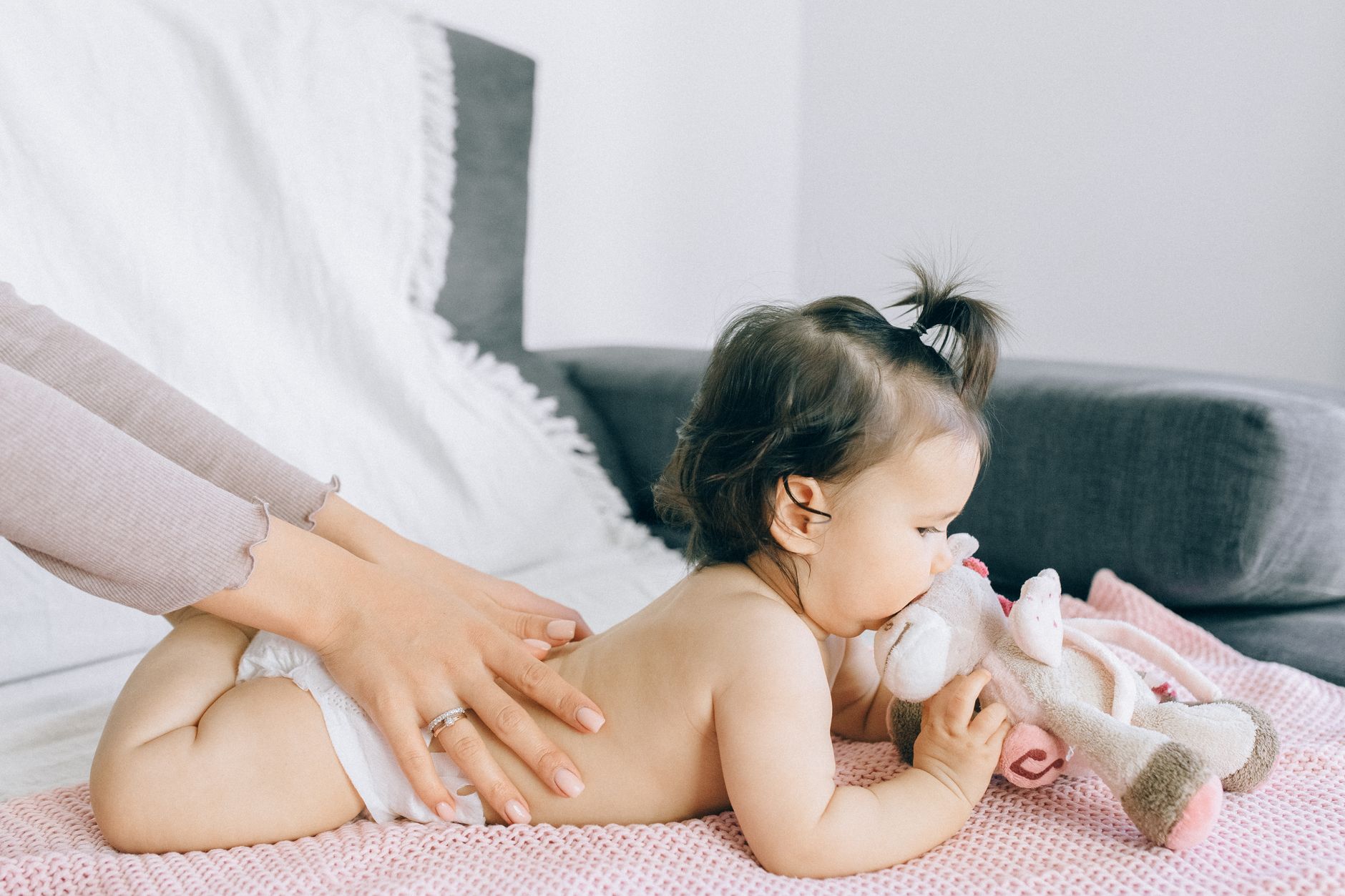
baby skin eczema risk is influenced by the microorganisms present on their skin. Recent research suggests that the skin’s microbiome may play a crucial role in determining the likelihood of developing eczema in childhood.
Understanding Eczema in Infants
Eczema, or atopic dermatitis, is a common skin condition affecting infants, characterized by dry, itchy patches on the skin. Understanding baby skin eczema risk is crucial for parents seeking to mitigate its effects. Studies suggest that a combination of genetic and environmental factors plays a significant role in the development of eczema in infants.
Research indicates that the skin microbiome—the diverse community of bacteria and other microorganisms living on the skin—may be a key predictor of eczema risk. A healthy balance of skin bacteria can protect against the condition, while an imbalance may increase susceptibility.
- Genetics: Family history of eczema or allergies can heighten risk.
- Environmental factors: Exposure to allergens and irritants may trigger eczema.
- Skin care: Gentle cleansing and moisturization are essential for prevention.
The Role of Microbiome on Skin
The role of the microbiome on skin health is gaining attention in the study of baby skin eczema risk. The skin is home to a diverse community of microorganisms, which can influence immune responses and skin barrier function. Research suggests that a balanced microbiome may help protect against conditions like eczema.
Key factors influencing the microbiome include:
- Birth Method: Babies born via cesarean section may have different microbial exposures compared to those born vaginally.
- Environment: Exposure to various bacteria, especially in early life, can shape skin health.
- Diet: Breastfeeding has been linked to a healthier microbiome, which may lower the risk of developing eczema.
Understanding these factors can help parents and caregivers take proactive steps to reduce baby skin eczema risk.
How to Reduce Eczema Risk
Reducing the risk of baby skin eczema involves several proactive measures that parents can adopt. Experts suggest the following strategies:
- Moisturize regularly: Applying a gentle, fragrance-free moisturizer to your baby’s skin helps maintain hydration and create a protective barrier.
- Choose the right fabrics: Dress your baby in soft, breathable materials, avoiding rough fabrics that can irritate sensitive skin.
- Monitor allergens: Be aware of potential allergens in your home, such as dust mites and pet dander, that may increase eczema risk.
- Maintain a healthy diet: Introducing a diverse range of foods can help support your baby’s developing microbiome, which may play a role in eczema risk.
By implementing these practices, parents can significantly reduce the likelihood of baby skin eczema, fostering healthier skin from an early age.
Latest Research Findings on Eczema
Recent studies have unveiled significant insights into the baby skin eczema risk. Researchers have focused on the microbiome’s composition, revealing that certain bacteria may play a critical role in predicting the likelihood of developing eczema in infants. A diverse bacterial presence on the skin appears to be protective, while a lack of diversity has been linked to higher risks of skin conditions.
In a groundbreaking study, scientists analyzed skin samples from newborns, finding that those with a healthier balance of microbes were less likely to experience eczema later in childhood. This suggests that the early establishment of a robust microbiome could serve as a natural barrier against eczema.
As research progresses, parents are encouraged to maintain a clean yet diverse microbial environment for their babies, potentially reducing the risk of eczema and promoting healthier skin development.
Photo by Nataliya Vaitkevich on Pexels
One thought on “Baby Skin Eczema Risk: What’s the Best Proven Predictor?”