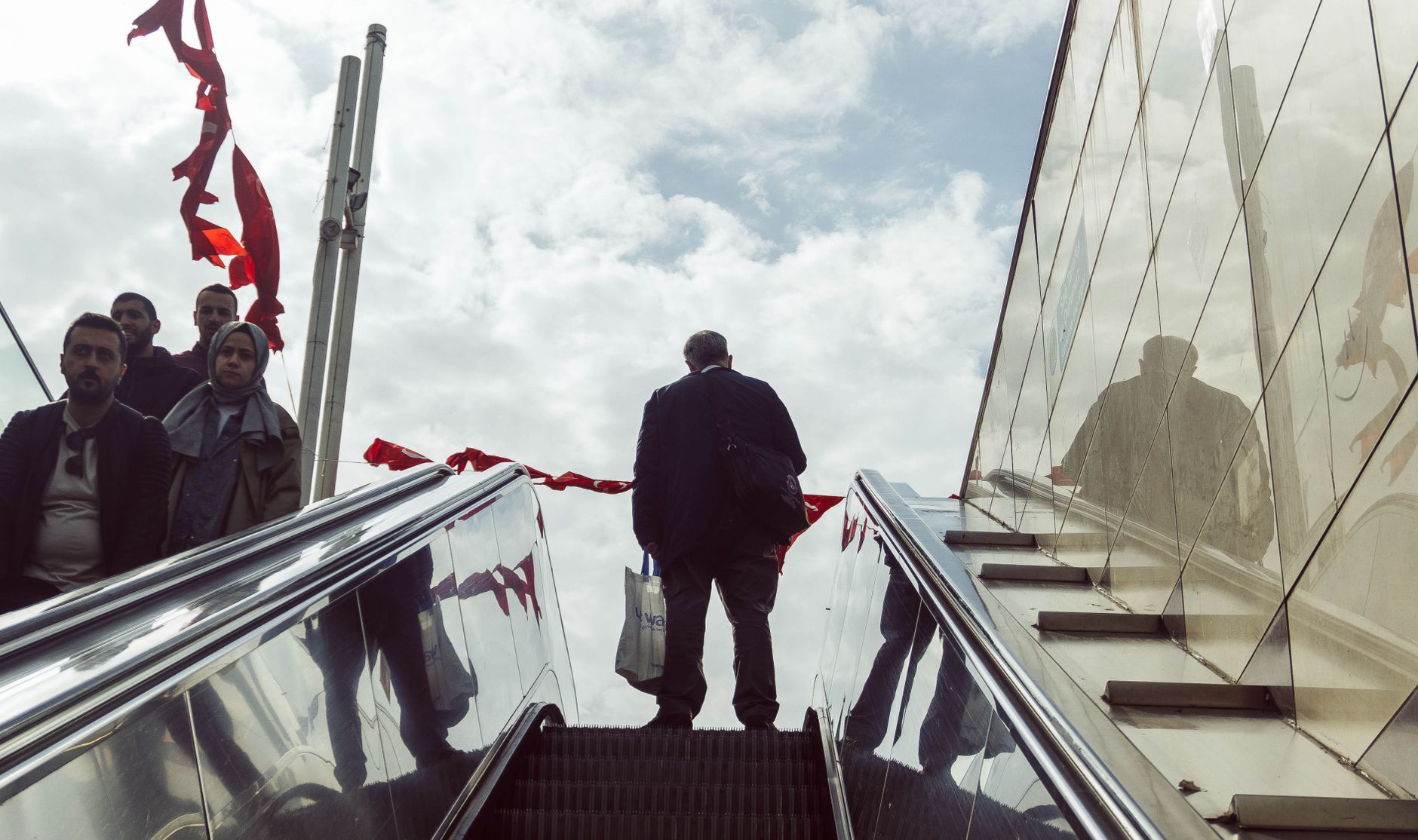
Iran Hezbollah escalation is at the forefront of geopolitical tensions as the region braces for potential fallout during the high holidays.
Understanding the Current Situation
The current situation in the Middle East is increasingly precarious, particularly with the Iran Hezbollah escalation that has raised alarm among regional observers. Following the destruction of a key ridge held by Hezbollah, tensions have escalated to unprecedented levels.
Several factors contribute to this volatile environment:
- Military Actions: Ongoing military engagements between Israeli forces and Hezbollah have intensified, leading to concerns about a broader conflict.
- Political Climate: The political landscape in Iran has shifted, with hardliners gaining influence and pushing for a more aggressive stance against perceived enemies.
- Regional Alliances: Iran’s support for Hezbollah has drawn in various regional players, complicating the dynamics and increasing the stakes for all involved.
- Impending Holidays: The approach of significant high holidays may exacerbate tensions, as both sides prepare for potential confrontations during this sensitive period.
As the international community watches closely, the potential for further escalation remains a critical concern, with implications that could extend far beyond the immediate region.
Historical Context of Iran-Hezbollah Relations
The relationship between Iran and Hezbollah has evolved significantly since the latter’s inception in the early 1980s. Initially formed to combat Israeli forces in Lebanon, Hezbollah has grown into a major political and military power in the region, heavily influenced by Iranian support.
Iran’s backing of Hezbollah is rooted in shared ideological goals, particularly the resistance against Western influence and the state of Israel. This alliance has been characterized by:
- Military Support: Iran has provided Hezbollah with weapons, training, and financial assistance, enhancing its capabilities in regional conflicts.
- Political Partnership: The two entities collaborate closely, with Hezbollah often acting as Iran’s proxy in Lebanon and beyond.
- Strategic Goals: Both actors aim to extend Iranian influence throughout the Middle East, which has led to increased tensions with Israel and other regional powers.
Recent developments, particularly the Iran Hezbollah escalation, highlight the fragility of this relationship. As both sides navigate the complexities of regional politics, their alliance remains a focal point in understanding the broader implications for stability in the Middle East.
Impact on Regional Security
The ongoing Iran Hezbollah escalation is raising alarms regarding regional security dynamics in the Middle East. As tensions mount, several implications threaten to destabilize the already fragile situation.
Firstly, the potential for increased military confrontations poses a significant risk. Both Iran and Hezbollah may react aggressively to perceived threats, leading to broader conflicts that could involve neighboring nations.
Secondly, the escalation complicates diplomatic efforts in the region. With Iran’s influence spreading through Hezbollah, countries like Israel and Saudi Arabia may enhance their military preparedness, creating an arms race that heightens the risk of miscalculation.
Moreover, humanitarian crises could worsen as conflicts escalate. Civilians in affected areas are at risk of becoming collateral damage in the pursuit of political objectives.
In summary, the Iran Hezbollah escalation not only threatens security in Lebanon but also has far-reaching consequences for the entire Middle East. Stakeholders must assess the situation carefully and engage in dialogue to prevent further deterioration of peace and stability.
As the region approaches high holidays, the need for diplomatic solutions becomes increasingly urgent.
Responses from Global Leaders
In response to the recent escalation involving Iran and Hezbollah, global leaders have expressed deep concern over the potential for increased conflict in the region. Many are urging diplomatic dialogue as tensions rise.
- United Nations Secretary-General António Guterres called for restraint, emphasizing the need for all parties to avoid actions that could lead to further violence. He stated, “The international community must remain vigilant and work towards de-escalation.”
- U.S. Secretary of State Antony Blinken reaffirmed America’s support for Israel, while also urging Iran to cease its support for Hezbollah. He noted that the Iran Hezbollah escalation could destabilize the entire Middle East.
- European Union Foreign Policy Chief Josep Borrell highlighted the importance of a coordinated approach among EU member states to address the crisis, advocating for renewed diplomatic efforts to prevent further deterioration of the situation.
As the world watches closely, the responses from these leaders reflect a growing apprehension about the ramifications of the ongoing tensions between Iran and Hezbollah, which could have far-reaching implications for international peace and security.
Public Reactions and Concerns
In light of the recent Iran Hezbollah escalation, public reactions have been marked by concern and uncertainty. Many citizens across the region are expressing fears about the potential for increased violence and instability, particularly as high holidays approach.
In cities like Beirut and Tehran, residents have taken to social media to voice their worries. Common themes include:
- The potential for further military clashes between Iran-backed forces and opposing groups.
- Concerns about the safety of civilians caught in the crossfire.
- The impact on daily life, including rising prices and disruptions to normal activities.
Additionally, local leaders are urging calm and dialogue, emphasizing the need to prevent escalation. Community gatherings have become a platform for discussions on how to maintain peace and support one another during these tense times.
As the situation unfolds, many are looking for reassurances from both national and international leaders. The hope is that diplomatic efforts will prevail over military actions, allowing for a return to stability in a region already fraught with challenges.
Future Implications of Escalation
The recent escalation between Iran and Hezbollah has raised significant concerns regarding future implications for the region and beyond. As tensions mount, various factors will likely influence the trajectory of this conflict.
- Political Stability: The ongoing escalation may destabilize the already fragile political landscape in Lebanon and surrounding countries. Increased Iranian influence through Hezbollah could lead to greater sectarian divisions.
- Military Engagement: Should hostilities continue, a wider military confrontation might arise, drawing in neighboring nations and altering the balance of power in the Middle East.
- Economic Consequences: Escalation could disrupt trade routes and impact global oil prices, as any conflict in this region often has far-reaching economic effects.
- International Relations: The reactions of global powers will play a crucial role. Countries may be forced to choose sides, further complicating diplomatic relations and alliances.
As the situation develops, the potential for a lasting shift in regional dynamics remains a pressing concern. The Iran Hezbollah escalation could usher in a new era of uncertainty that challenges existing frameworks for peace and stability.
Preparations for the High Holidays
As the High Holidays approach, tensions surrounding the Iran Hezbollah escalation are palpable, with both groups intensifying their preparations. The significance of this period is profound, as it often sees heightened religious observance and community gatherings, which could become focal points for increased volatility.
Reports indicate that Hezbollah is bolstering its military presence along the Lebanese-Syrian border in anticipation of potential confrontations. Many analysts believe that Iran’s support for Hezbollah during this time could lead to unexpected maneuvers aimed at demonstrating strength.
Among the preparations are:
- Increased troop mobilization: Hezbollah has reportedly shifted resources to key positions, heightening the risk of military engagement.
- Intelligence gathering: Both Iran and Hezbollah are likely enhancing their surveillance capabilities to monitor enemy movements and assess potential threats.
- Community outreach: Hezbollah is reportedly working to solidify local support by engaging with communities during the High Holidays.
As these preparations unfold, the potential for a significant escalation remains, leaving many in the region concerned about the implications for stability and peace.
The Iran Hezbollah escalation has raised concerns among regional analysts about the potential for broader conflict. As tensions continue to mount, the Iran Hezbollah escalation could lead to unforeseen consequences for neighboring countries.
Photo by Raylarında Şehrin on Pexels
2 thoughts on “Iran Hezbollah escalation: The Worst Tensions Ahead”