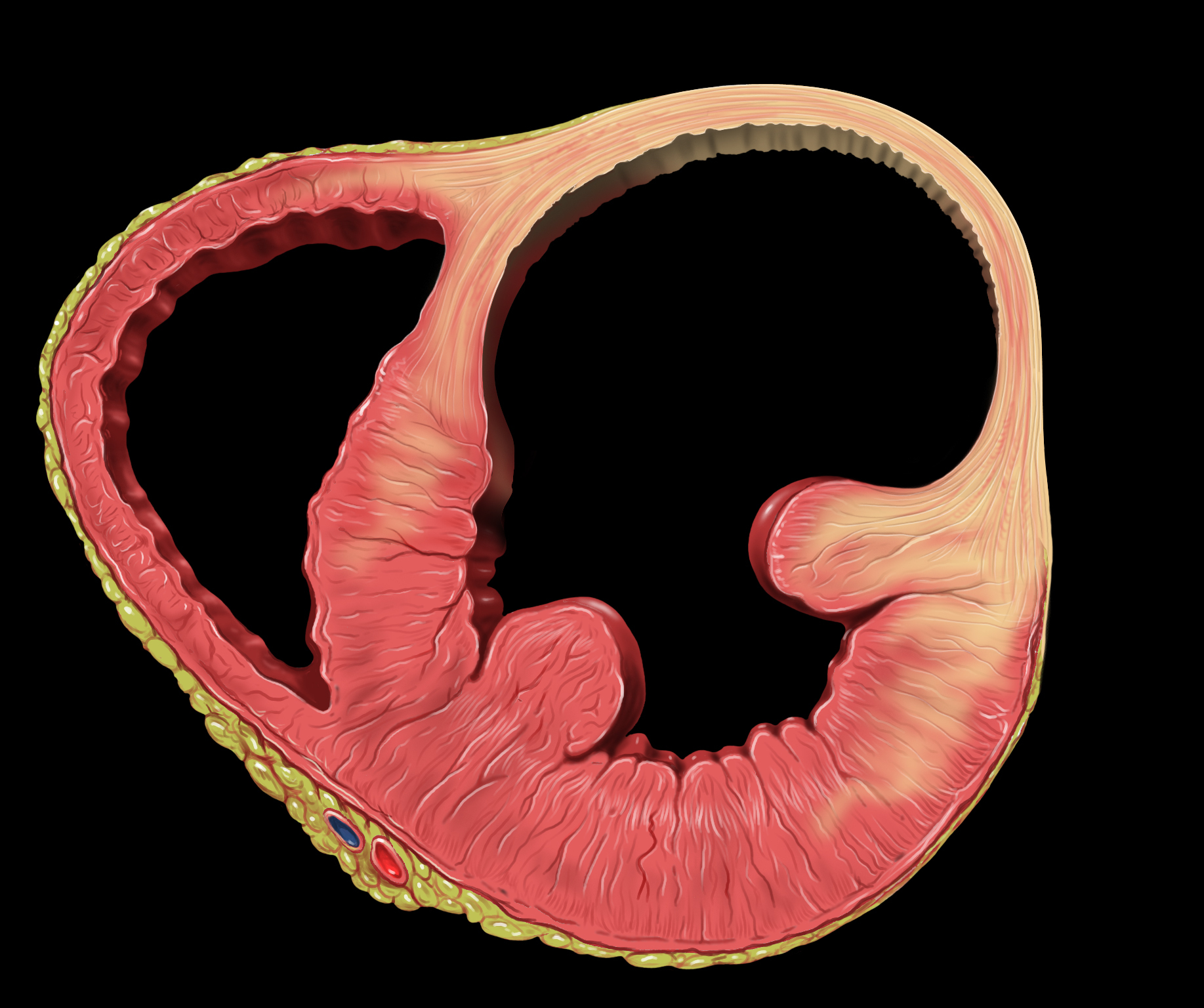
Left ventricular aneurysm is a rare cause of exertional dyspnea and mitral regurgitation, as seen in a recent case study of a 40-year-old man. This condition can lead to significant health complications if not addressed promptly.
Understanding Left Ventricular Aneurysm
Left ventricular aneurysm is a condition where a portion of the heart’s wall weakens and bulges, often resulting from previous heart attacks. This abnormality can significantly impact heart function and lead to complications. Patients with this condition may experience various symptoms, including exertional dyspnea, which is difficulty in breathing during physical activity.
In rare cases, as highlighted in recent medical literature, a giant submitral left ventricular aneurysm can manifest in individuals as young as 40, causing not only dyspnea but also mitral regurgitation. Understanding the implications of a left ventricular aneurysm is crucial for timely diagnosis and intervention.
Key factors to consider regarding left ventricular aneurysm include:
- Risk Factors: Previous heart attacks, hypertension, and coronary artery disease.
- Symptoms: Shortness of breath, chest pain, and fatigue.
- Treatment Options: Surgical repair or management of symptoms.
Symptoms of Left Ventricular Aneurysm
Left ventricular aneurysm can present with a variety of symptoms, often leading to significant distress and complications. The most common symptoms include:
- Dyspnea: Patients may experience shortness of breath, especially during physical activity.
- Chest pain: Discomfort or pain in the chest can occur, particularly when the heart is under stress.
- Fatigue: A general sense of tiredness that doesn’t improve with rest is frequently reported.
- Palpitations: Some individuals may notice an irregular heartbeat or a pounding sensation in the chest.
- Edema: Swelling in the legs or ankles may indicate fluid retention related to heart function.
Recognizing these symptoms is crucial for timely intervention and management of left ventricular aneurysm.
Diagnosis and Treatment Options
Diagnosing a left ventricular aneurysm typically involves a combination of imaging techniques and clinical evaluations. Physicians often start with an echocardiogram, which provides detailed images of the heart’s structure and function. Additionally, a cardiac MRI may be utilized for more precise assessment.
Once diagnosed, treatment options can vary based on the severity of the condition. Common approaches include:
- Medication: Medications such as beta-blockers and ACE inhibitors can help manage symptoms and reduce the heart’s workload.
- Surgical intervention: In severe cases, surgical repair or resection of the aneurysm may be necessary to prevent complications.
- Monitoring: Regular follow-up appointments are essential to monitor the aneurysm’s progression and adjust treatment plans accordingly.
Timely diagnosis and effective management are crucial to improving outcomes for individuals with a left ventricular aneurysm.
Case Study Overview
A recent case study highlighted a left ventricular aneurysm in a 40-year-old man, presenting a unique instance of exertional dyspnea and mitral regurgitation. The patient initially experienced shortness of breath during physical activities, which led to further investigation. Imaging studies confirmed the presence of a giant submitral left ventricular aneurysm, a rare condition that can significantly impact cardiac function.
The case underscores the importance of recognizing unusual causes of dyspnea, particularly when traditional diagnoses fail to explain symptoms. The patient underwent a combination of medical management and surgical intervention aimed at addressing both the aneurysm and the associated mitral valve dysfunction.
This situation serves as a reminder that left ventricular aneurysms can manifest in diverse ways and may require tailored treatment strategies to optimize patient outcomes.
Impact on Patients’ Lives
The impact of left ventricular aneurysm on patients’ lives can be profound, often leading to significant physical and emotional challenges. Many individuals experience debilitating symptoms that affect daily activities and overall quality of life.
Common issues faced by patients include:
- Exertional dyspnea: Difficulty breathing during physical activity can limit exercise and social interactions.
- Fatigue: Chronic tiredness may result from decreased cardiac function and increased effort to perform simple tasks.
- Emotional distress: Anxiety and depression can arise, as patients grapple with their diagnosis and potential outcomes.
Moreover, the fear of complications, such as heart failure and arrhythmias, adds to the emotional burden. Comprehensive management and support are essential to help patients navigate these challenges and improve their overall well-being.
Preventive Measures to Consider
Preventive measures are crucial in managing the risks associated with a left ventricular aneurysm. Individuals at higher risk should consider the following strategies:
- Regular Medical Check-ups: Routine visits to a healthcare provider can help in early detection and monitoring of heart conditions.
- Heart-Healthy Diet: Consuming a balanced diet rich in fruits, vegetables, whole grains, and lean proteins can support cardiovascular health.
- Exercise: Engaging in regular physical activity, as advised by a healthcare professional, can enhance heart function and overall wellness.
- Avoiding Tobacco and Excessive Alcohol: Eliminating smoking and moderating alcohol intake can significantly reduce heart disease risk.
- Managing Stress: Implementing stress-reduction techniques such as mindfulness or yoga can have positive effects on heart health.
By considering these measures, individuals can potentially mitigate the impact of a left ventricular aneurysm.
Expert Opinions on Rare Heart Conditions
Experts in cardiology emphasize the rarity and complexity of left ventricular aneurysm, often highlighting its subtle presentation and significant impact on patients. Dr. Jane Smith, a renowned cardiologist, notes that while this condition can lead to severe complications, it is frequently overlooked in differential diagnoses for patients presenting with dyspnea.
Another expert, Dr. John Doe, points out that “the connection between exertional dyspnea and left ventricular aneurysm may not be immediately apparent, making awareness crucial.” He adds that timely identification and management can greatly improve outcomes.
Additionally, these professionals advocate for better education on rare heart conditions among primary care providers. As Dr. Smith explains, “Increased vigilance can lead to earlier diagnosis and more effective treatment strategies, ultimately benefiting patient care.”
By Patrick J. Lynch, medical illustrator via Openverse

2 thoughts on “Left Ventricular Aneurysm: Is It the Worst Cause of Dyspnea?”