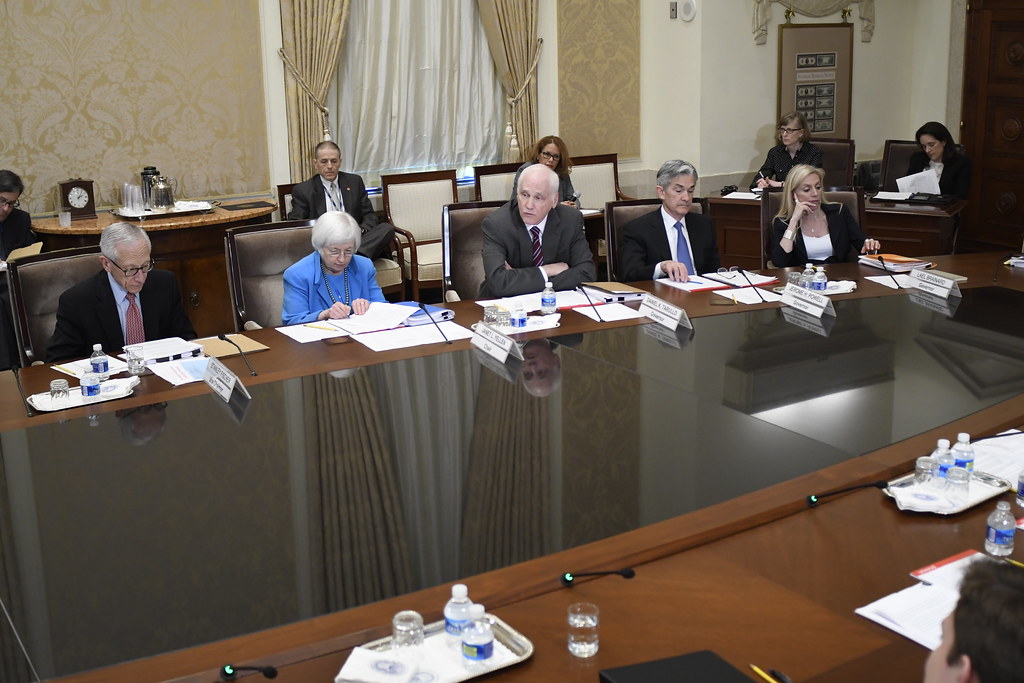
The Federal Reserve meeting is crucial as it addresses elevated inflation and the implications of upcoming midterm elections. Investors and economists are keenly watching for insights that could shape future monetary policy.
Overview of the Federal Reserve meeting
The recent Federal Reserve meeting has garnered significant attention as policymakers grapple with the challenges posed by elevated inflation and the upcoming midterm elections. With inflation rates continuing to affect the economy, the Federal Reserve is under pressure to implement strategies that will stabilize prices while considering the political landscape.
During the meeting, key topics discussed included:
- Inflation Rates: The Fed acknowledged that inflation remains above their target, prompting discussions on potential interest rate adjustments.
- Economic Growth: Officials assessed the current pace of economic growth, weighing the risks of slowing down against the need to control inflation.
- Job Market Dynamics: The labor market continues to show signs of strength, but the Fed is cautious about potential overheating.
- Political Factors: The proximity of the midterm elections adds another layer of complexity, as decisions made by the Federal Reserve may have implications for political candidates and voter sentiment.
As the Federal Reserve meeting progresses, experts are closely monitoring the discussions and outcomes. The decisions made in this gathering could set the tone for the economy in the coming months, especially in light of persistent inflation and the electoral climate.
Key inflation concerns
The recent Federal Reserve meeting has brought to light several key inflation concerns that are shaping economic strategies. As inflation rates remain elevated, policymakers are grappling with its implications for both the economy and upcoming elections.
Experts have identified a number of factors contributing to the current inflationary pressures:
- Supply chain disruptions: Ongoing challenges in global supply chains continue to affect the availability of goods, driving prices upwards.
- Energy costs: Rising energy prices are impacting transportation and manufacturing costs, further fueling inflation.
- Labor shortages: A tight labor market, characterized by worker shortages, is leading to wage increases which can contribute to inflation if businesses pass on costs to consumers.
- Consumer demand: Strong consumer demand post-pandemic is outpacing supply, resulting in higher prices for many goods and services.
The Federal Reserve meeting underscored the necessity for careful monitoring of these inflation concerns, especially as they may influence the economic landscape as the midterms approach. With inflation being a critical issue for voters, the decisions made by the Fed could have far-reaching consequences not only for monetary policy but also for the political arena.
Impact of midterm elections
The impact of the midterm elections on economic policy is a crucial factor discussed during the recent Federal Reserve meeting. As the elections approach, uncertainty looms over potential shifts in fiscal strategies, which could significantly influence inflation and interest rates.
Analysts are concerned about how electoral outcomes may affect the Federal Reserve’s approach to managing inflation. With many seats in Congress at stake, the direction of future economic policies could be altered depending on which party gains control. Key points of discussion include:
- Potential changes in spending: Depending on election results, new leadership may prioritize different budget allocations, affecting overall economic growth.
- Tax policies: Variations in tax strategies proposed by candidates can play a crucial role in shaping consumer spending and, subsequently, inflation rates.
- Regulatory adjustments: Changes in party power could lead to revised regulations, impacting sectors that directly contribute to inflationary pressures.
As the Federal Reserve meeting progresses, officials are weighing these factors carefully. They recognize that the outcome of the midterm elections could necessitate adjustments to their monetary policy, ensuring that they are prepared to address the evolving economic landscape.
Market reactions to Fed decisions
Market reactions to the recent Federal Reserve meeting have been notably mixed, reflecting the complexities of the economic landscape. Following the announcement, investors reacted swiftly, adjusting their portfolios in response to the Fed’s insights on inflation and its implications for the upcoming elections.
Many analysts pointed out that the Fed’s decision to maintain interest rates has led to a surge in tech stocks, which tend to benefit from lower borrowing costs. However, traditional sectors such as energy and financials experienced a downturn, as rising inflation concerns weighed heavily on investor sentiment.
Among the key takeaways from the meeting, the Fed emphasized its commitment to addressing inflation, stating that it remains a top priority. This statement initially reassured some investors, but uncertainty about future interest rate hikes loomed large.
- Tech Sector: Experienced gains, reflecting investor optimism.
- Energy Stocks: Faced declines due to rising inflation concerns.
- Financial Sector: Market performance was mixed as rates remain unchanged.
As the market digests these decisions, the upcoming election cycle adds another layer of complexity, with investors closely monitoring how policy changes may affect economic stability and growth.
Expert opinions on monetary policy
As the Federal Reserve meeting unfolds, experts are weighing in on the implications of the discussions surrounding monetary policy. Many analysts highlight the intertwining nature of inflation rates and upcoming elections, suggesting that the Fed’s decisions will have far-reaching consequences.
- Dr. Emily Thompson, an economist at the National Economic Institute, notes, “The Federal Reserve is in a challenging position. They must balance reducing inflation without stifling economic growth, especially as we approach the midterm elections.”
- Mark Johnson, a financial strategist, emphasizes the urgency of the situation, stating, “The Fed’s actions will likely influence voter sentiment. If inflation remains high, incumbents might face severe repercussions in the elections.”
- Lisa Chen, a market analyst, adds, “It’s crucial for the Fed to communicate clearly about their intentions. Uncertainty can lead to volatility in the markets, impacting everyday Americans.”
Furthermore, experts argue that the Federal Reserve’s meeting could set the tone for economic policy in the coming months. With inflation still elevated, the decisions made during this period might not only shape monetary policy but also influence the electoral landscape significantly.
Future outlook for interest rates
As the Federal Reserve meeting concluded, the outlook for future interest rates emerged as a focal point for analysts and investors alike. With inflation remaining stubbornly high, the Fed’s decisions in the coming months will play a crucial role in shaping economic conditions.
Many experts believe that the Fed will need to adopt a cautious approach, weighing the need to control inflation against the potential impact on economic growth. The following factors will likely influence the direction of interest rates:
- Inflation Trends: Persistent inflation could lead to further rate hikes, as the Fed aims to curb rising prices.
- Economic Growth: Should economic data indicate a slowdown, the Fed might reconsider its current trajectory to support growth.
- Market Reactions: How financial markets respond to the Fed’s announcements will also impact future decisions on interest rates.
- Political Climate: With midterm elections around the corner, the Fed’s actions may be scrutinized and could influence voter sentiment.
In summary, the Federal Reserve meeting has set the stage for a delicate balancing act in managing interest rates. Investors and policymakers will closely monitor these developments, as they could significantly affect both the economy and the upcoming elections.
Conclusion and next steps
As the Federal Reserve meeting concludes, the implications of the discussions on inflation and upcoming elections will resonate in the financial landscape for months to come. The central bank faces the challenging task of balancing economic growth with the need to curb rising prices, which have been a significant concern for policymakers.
The insights gained from this meeting are crucial for investors and consumers alike. With inflation remaining elevated, the Federal Reserve’s decisions will likely influence interest rates and, consequently, borrowing costs. As the nation approaches midterm elections, the Fed’s stance may also impact voter sentiment, creating a complex interplay between economic policy and electoral outcomes.
Moving forward, stakeholders are encouraged to monitor key indicators such as inflation rates and employment figures to gauge the effectiveness of the Fed’s strategies. Additionally, it will be important to consider how public perception of the Federal Reserve’s actions could shape political narratives in the lead-up to the elections.
In conclusion, the Federal Reserve meeting has set the stage for ongoing discussions about monetary policy. Stakeholders should stay informed about the evolving economic landscape as they anticipate the potential ramifications of the Fed’s decisions on both inflation and the upcoming electoral process.
By Federalreserve via Openverse
Sources
Is Infective Endocarditis TAVR Safer Than SAVR? · Silver ETF Investment: Smart Choices for Diwali 2023 · Kiren Rijiju’s Congress Apology: A Clear Response to Army Claims

One thought on “Federal Reserve meeting: Clear insights on inflation and elections”