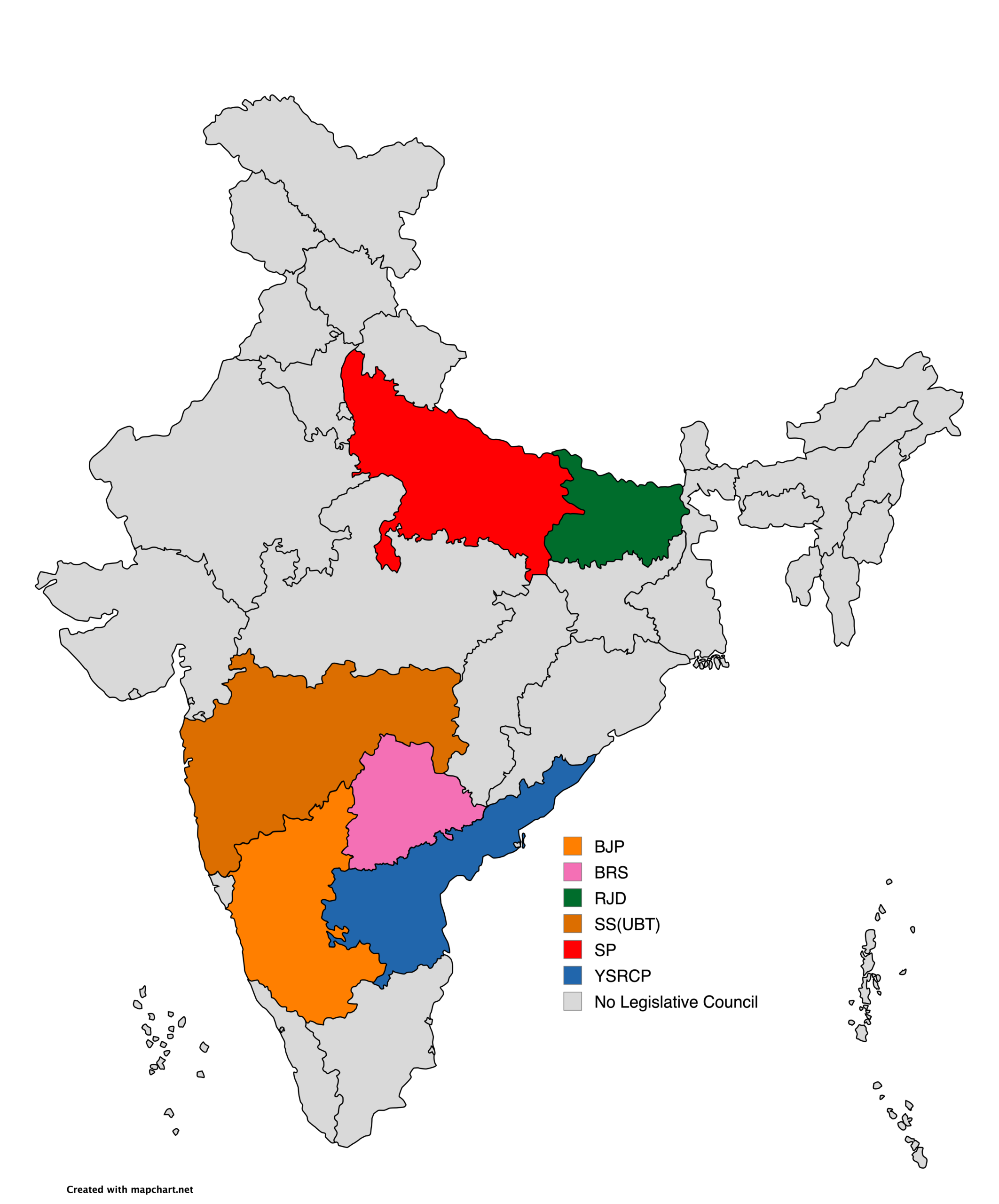
Legislative Councils in India play a crucial role in governance, yet not all states have them. This article explores the reasons behind the absence of these councils in certain regions and their significance in the legislative process.
Understanding Legislative Councils
Legislative Councils in India play a crucial role in the bicameral structure of state legislatures, yet not all states have embraced this system. These councils serve as the upper house, primarily tasked with reviewing legislation proposed by the lower house, or Legislative Assembly. Understanding Legislative Councils requires a look into their composition and functions.
The members of a Legislative Council, known as Members of the Legislative Council (MLCs), are elected through various means:
- Direct elections by the public
- Election by local authority members
- Appointment by the Governor
This diverse membership allows for a broader representation of interests and expertise within the legislative process. However, the absence of Legislative Councils in several states raises questions about their necessity and functionality.
Currently, only six states in India maintain a Legislative Council, namely Bihar, Karnataka, Maharashtra, Telangana, Andhra Pradesh, and Uttar Pradesh. The reasons for the absence of these councils in other states often include political considerations, financial implications, and the belief that a unicameral system may be more efficient.
In conclusion, while Legislative Councils in India provide an additional layer of scrutiny and representation, their varying presence across states reflects the complexities of regional governance and legislative preferences.
The Role of Legislative Councils
The role of Legislative Councils in India is often misunderstood, leading to confusion about their necessity and functions. These councils serve as the upper houses in the bicameral legislature of several Indian states, complementing the lower houses, or Vidhan Sabhas. Their primary purpose is to provide a platform for more extensive debate and deliberation on legislative matters.
Some of the key roles of Legislative Councils include:
- Reviewing Legislation: Legislative Councils have the authority to review and suggest amendments to bills passed by the lower house, ensuring that laws are thoroughly scrutinized.
- Representation: They offer a space for representation of various social groups, professionals, and local interests that may not be adequately voiced in the Vidhan Sabha.
- Delay Tactics: Councils can delay legislation, allowing for more time to consider the implications of new laws, although this can sometimes lead to legislative gridlock.
- Expertise: Many members of the Legislative Councils are experienced professionals in various fields, bringing valuable insights into legislative discussions.
Despite their potential benefits, not all states in India have Legislative Councils, leading to ongoing debates about their relevance and effectiveness in the current political landscape.
States Without Legislative Councils
As of now, several states in India function without a Legislative Council, which raises questions about the necessity and relevance of such bodies. The absence of Legislative Councils in these states can be attributed to various factors that influence their political landscape.
Currently, the states without Legislative Councils include:
- Andhra Pradesh
- Arunachal Pradesh
- Haryana
- Kerala
- Meghalaya
- Mizoram
- Nagaland
- Odisha
- Punjab
- Rajasthan
- Uttar Pradesh
- West Bengal
In these states, the absence of a Legislative Council has led to a focus on the unicameral system, where the Legislative Assembly holds the responsibility for law-making. This simplicity can streamline the legislative process, but it may also limit the avenues for broader representation and debate, which are often facilitated by a bicameral structure.
Ultimately, the question remains whether the benefits of having Legislative Councils in India outweigh the challenges, particularly in states without such institutions.
Reasons for Absence
The absence of Legislative Councils in several Indian states can be attributed to a variety of factors, which often stem from political, historical, and administrative considerations.
One significant reason is the political dynamics within the states. Many regional parties may prefer a unicameral system, believing that a single assembly is more efficient in decision-making and governance. This viewpoint is often supported by the electorate, who may not see the necessity of a second chamber.
Additionally, the financial implications play a crucial role. Establishing and maintaining a Legislative Council requires substantial funds, which some states may not be willing to allocate, especially when they are grappling with other pressing economic issues.
Moreover, the historical context cannot be overlooked. Following India’s independence, many states opted to dissolve their councils, viewing them as a relic of colonial governance. This sentiment persists in some areas, leading to a reluctance to re-establish these bodies.
Lastly, the lack of public awareness regarding the functions and benefits of Legislative Councils contributes to their absence. When citizens are uninformed about the advantages of having such councils, there is less demand for their establishment.
In conclusion, the reasons for the absence of Legislative Councils in India are multifaceted, reflecting a blend of political ideology, financial considerations, historical precedents, and public perception.
Impact on Governance
The absence of Legislative Councils in several Indian states has significant implications for governance and the political landscape. Without these councils, the legislative process can become less comprehensive, limiting the avenues through which diverse voices and concerns are represented. This can lead to a concentration of power in the hands of a few, reducing the overall effectiveness of democratic governance.
One of the primary impacts of not having a Legislative Council is the potential for rushed legislation. In states with only a lower house, bills can be passed swiftly without the thorough scrutiny and debate that a council provides. This may result in laws that are not fully vetted, leading to unintended consequences.
Moreover, the absence of Legislative Councils can hinder the representation of various interest groups, including marginalized communities and professionals. Councils often serve as a platform for experts and local leaders to voice their opinions, contributing to more informed decision-making.
Additionally, the lack of a second chamber can diminish the checks and balances essential for a healthy democracy. While the lower house is directly elected, a Legislative Council can help ensure that diverse perspectives are considered, fostering a more inclusive and balanced governance framework.
In summary, the absence of Legislative Councils in India impacts governance by limiting representation, promoting hasty legislation, and weakening the checks essential for a robust democratic process.
Recent MLC Elections
Recently, the elections for the Member of the Legislative Council (MLC) were held in various states, highlighting the ongoing importance of Legislative Councils in India. These elections serve as a reminder of the role that Legislative Councils can play in the democratic framework of the country. However, the absence of such councils in several states continues to spark debate among political analysts and citizens alike.
During the latest MLC elections, voters in states like Maharashtra and Karnataka participated actively, reflecting their engagement in the legislative process. The elections emphasized the need for representation in the upper house of the state legislature, particularly in states that lack a Legislative Council. The results of these elections are crucial as they can influence state policies and governance.
Despite the benefits of having a Legislative Council, not all states have chosen to establish one. Some argue that the existence of Legislative Councils can lead to inefficiencies and added bureaucracy, while others believe they are essential for ensuring diverse representation and thorough legislative scrutiny.
As the recent MLC elections concluded, the discussions around the necessity and effectiveness of Legislative Councils in India are likely to intensify, influencing future political strategies and governance models across the nation.
Future of Legislative Councils in India
The future of Legislative Councils in India remains uncertain as the debate over their necessity continues. While some argue that these councils provide an essential check on the legislative process, others believe they are an outdated institution that adds little value to governance.
Several states have taken steps to either establish or strengthen their Legislative Councils, reflecting a desire for a bicameral system. However, many others remain without these councils, which raises questions about their effectiveness and relevance in contemporary politics.
Key factors influencing the future of Legislative Councils include:
- Public Perception: The general public’s understanding and support for Legislative Councils can influence political decisions related to their establishment.
- Political Will: The commitment of political leaders to either advocate for or oppose Legislative Councils will play a crucial role in their future.
- State Specific Needs: Different states have unique political landscapes that may either benefit from or be hindered by the presence of a Legislative Council.
In conclusion, while Legislative Councils in India have potential benefits, their future hinges on the evolving political climate and the perception of their utility among the populace and lawmakers alike.
Many experts argue that the absence of Legislative Councils in India has led to a lack of comprehensive debate on critical issues. Furthermore, the history and evolution of Legislative Councils in India reveal significant challenges that hinder their establishment.
By Singh PreetManak via Openverse


One thought on “Legislative Councils in India: The Clear Truth Behind Their Absence”