Photocatalytic activity is gaining attention for its effectiveness in dye degradation. Recent studies highlight the role of CoFe₂O₄/graphene oxide nanocomposite in enhancing this process.
What is Photocatalytic Activity?
Photocatalytic activity refers to the ability of a substance, typically a semiconductor, to absorb light and initiate a chemical reaction that can break down pollutants, such as dyes, in water. This process is driven by the absorption of photons, which generates electron-hole pairs in the photocatalyst material. These charge carriers can then facilitate redox reactions, leading to the degradation of harmful substances.
In recent studies, researchers have explored various photocatalysts to enhance photocatalytic activity, particularly in the context of dye degradation. One promising approach involves the use of nanocomposites, such as CoFe₂O₄ combined with graphene oxide. This combination not only improves the absorption of light but also enhances the separation of charge carriers, thereby increasing the efficiency of the photocatalytic process.
The advantages of using photocatalytic activity for dye degradation include:
- Reduction of toxic substances into harmless byproducts
- Potential for complete mineralization of organic dyes
- Application in wastewater treatment systems
- Utilization of solar energy as a sustainable resource
Overall, the exploration of various materials and methods continues to advance the field of photocatalytic activity, offering new solutions for environmental remediation.
How Does CoFe₂O₄ Work?
The photocatalytic activity of CoFe₂O₄, a spinel-type ferrite, is enhanced when combined with graphene oxide (GO) to form a nanocomposite. This combination leverages the unique properties of both materials, resulting in improved efficiency for dye degradation processes.
CoFe₂O₄ acts as a photocatalyst by absorbing light and generating electron-hole pairs upon exposure to UV or visible light. The electrons can then participate in redox reactions, leading to the formation of reactive oxygen species (ROS) that effectively break down dye molecules in wastewater.
Key features of CoFe₂O₄’s mechanism include:
- Magnetic properties: The magnetic nature of CoFe₂O₄ allows for easy separation from the treated solution, facilitating reuse in multiple cycles.
- Synergistic effect: The presence of graphene oxide enhances the light absorption capacity, further boosting the photocatalytic activity.
- High surface area: The nanocomposite’s high surface area increases the interaction between the catalyst and the dye molecules, leading to more effective degradation.
Overall, CoFe₂O₄’s photocatalytic activity, especially when combined with graphene oxide, demonstrates significant promise for environmental applications targeting dye degradation.
Benefits of Graphene Oxide
Graphene oxide (GO) has emerged as a promising material in enhancing photocatalytic activity, particularly in the degradation of dyes. Its unique structure and properties contribute significantly to its effectiveness in photocatalysis.
One of the primary benefits of graphene oxide is its high surface area, which allows for greater interaction with pollutants. This characteristic facilitates the absorption of light and accelerates the generation of reactive species, crucial for effective dye degradation.
Additionally, the incorporation of graphene oxide into photocatalytic systems can improve charge separation. This enhancement reduces the recombination of electron-hole pairs, leading to increased photocatalytic efficiency. The synergy between graphene oxide and other materials, such as CoFe₂O₄, enhances the overall photocatalytic activity, making it a superior option for dye degradation.
Moreover, graphene oxide is relatively inexpensive and easy to produce, making it an attractive choice for large-scale applications. Its stability under various environmental conditions further supports its potential in photocatalytic processes.
In summary, the benefits of graphene oxide in photocatalytic activity position it as a valuable component in the quest for efficient dye degradation methods.
Recent Advances in Dye Degradation
Recent advancements in dye degradation techniques have highlighted the potential of photocatalytic activity as a leading method for addressing environmental pollution. Researchers are exploring innovative materials that enhance the efficiency of photocatalytic processes. One promising avenue is the combination of magnetic materials with photocatalysts, which can improve the separation of photogenerated charge carriers and increase the degradation rates of dyes.
One significant study investigated a CoFe₂O₄/graphene oxide nanocomposite, demonstrating its efficiency in dye degradation under visible light. This composite exhibits strong photocatalytic activity, allowing for effective breakdown of various organic dyes. The incorporation of magnetic properties into the photocatalyst facilitates easy recovery and reuse, making it a sustainable option for wastewater treatment.
Key findings from recent experiments include:
- Improved degradation rates of dye pollutants.
- The ability to operate under visible light, broadening the applicability of photocatalytic processes.
- Enhanced stability and reusability of the photocatalyst.
These developments signal a shift towards more efficient methods for dye degradation, positioning photocatalytic activity as a viable solution for environmental remediation.
The Role of Magnetic Fields
The interaction between magnetic fields and photocatalytic activity is an emerging area of research that promises to enhance dye degradation processes. Recent studies indicate that the application of magnetic fields can significantly influence the efficiency of photocatalysts, particularly those based on CoFe₂O₄ and graphene oxide nanocomposites.
Specifically, the presence of a magnetic field can:
- Improve charge separation: Magnetic fields can help in the separation of electron-hole pairs generated during photocatalysis, which is crucial for enhancing photocatalytic activity.
- Increase reaction rates: The magnetic field can accelerate the movement of charged species, thereby increasing the rate of dye degradation.
- Stabilize catalysts: The application of a magnetic field can also assist in the stabilization of photocatalytic materials during the reaction process, ensuring prolonged activity.
This innovative approach not only optimizes the use of photocatalytic activity but also addresses challenges related to the effectiveness and durability of catalysts in real-world applications. As research continues, the integration of magnetic fields into photocatalytic systems may lead to more effective and sustainable methods for dye degradation.
Future of Photocatalytic Research
The future of photocatalytic research holds significant promise, particularly in the realm of dye degradation. As environmental concerns escalate, the demand for efficient and sustainable methods to eliminate pollutants has never been greater. Researchers are increasingly focusing on enhancing photocatalytic activity through innovative materials and methods.
One promising avenue is the development of hybrid photocatalysts that combine the strengths of various materials. For instance, the integration of metal oxides with carbon-based materials has shown potential in improving photocatalytic efficiency. Future studies may explore:
- Nanostructured materials: Tailoring the size and shape of photocatalysts to optimize their surface area and light absorption.
- Environmental conditions: Investigating the effects of pH, temperature, and light intensity on photocatalytic performance.
- Magnetic field applications: Utilizing magnetic fields to enhance the separation of charge carriers, which could lead to more efficient dye degradation.
- Real-world applications: Testing photocatalytic systems in actual wastewater treatment scenarios to assess their effectiveness and practicality.
As these research directions unfold, the potential for photocatalytic activity to provide eco-friendly solutions continues to grow.
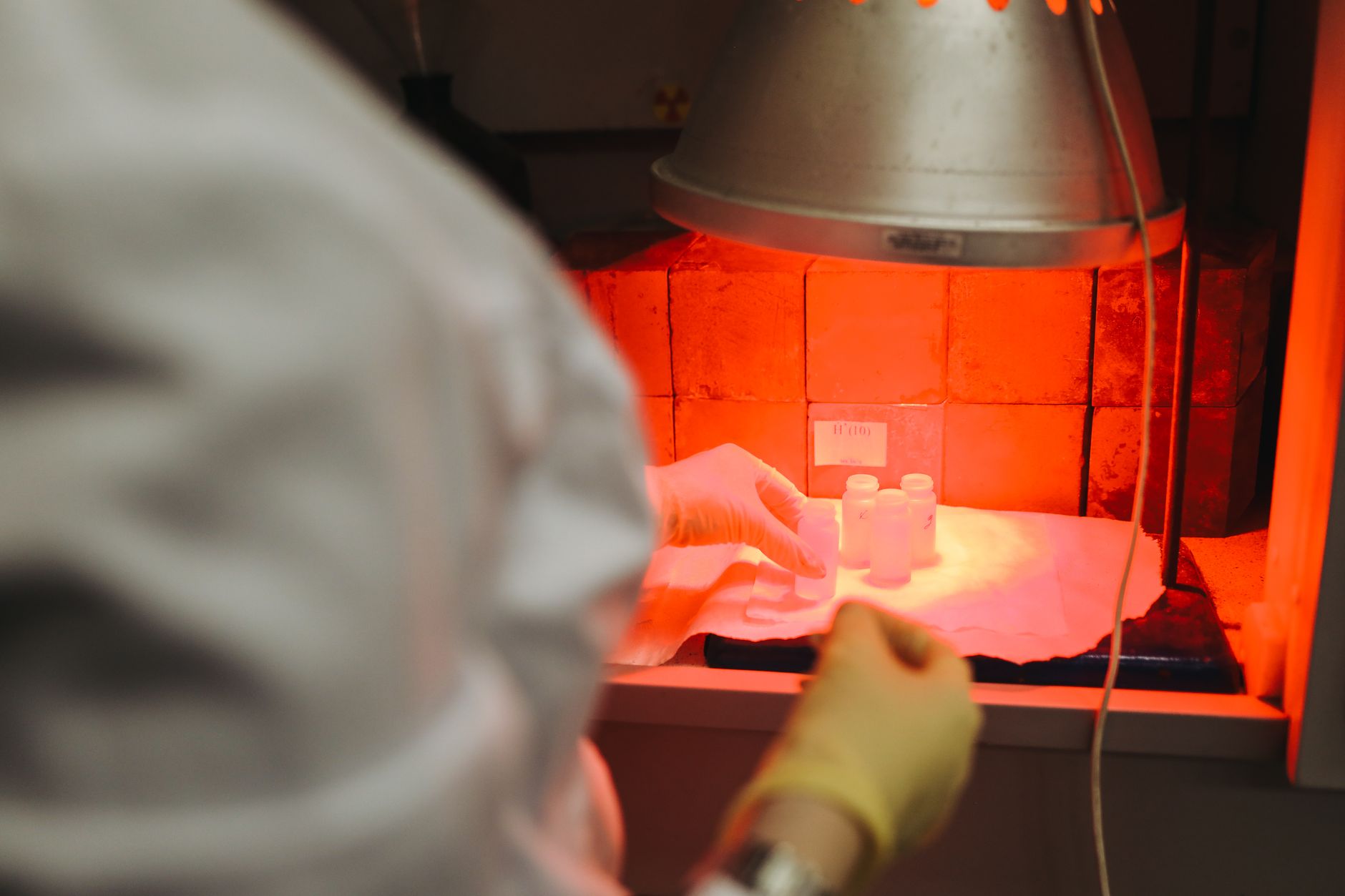
Photo by Polina Tankilevitch on Pexels
Where this came from
Nature · Photocatalytic activity of titanium dioxide
Bitcoin price history: What’s the proven impact of 2012? · Shillong Teer Result: Best Winning Numbers for Today · Longer-Lasting Batteries: Proven Solutions for Your Devices

2 thoughts on “Photocatalytic activity: Is it the Best Method for Dye Degradation?”