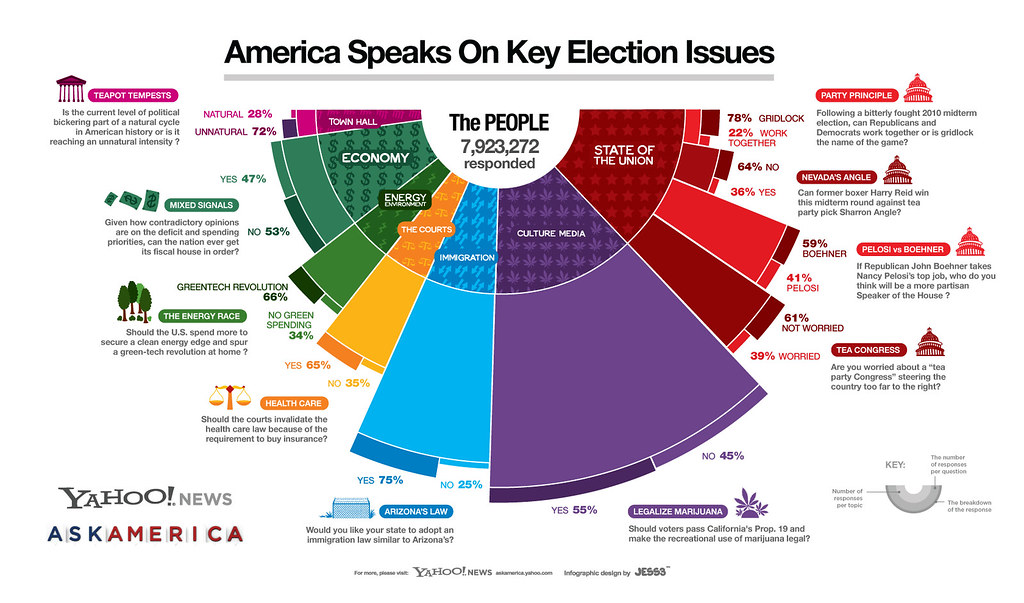
Midterm elections impact is a key concern for investors as they could jolt stocks if Democrats sweep Congress. The upcoming elections are poised to influence market stability significantly.
Understanding the Midterm Elections
The midterm elections, occurring every four years, serve as a crucial barometer for the political climate in the United States. As voters head to the polls, the outcomes can significantly influence various sectors, including the stock market. Investors often closely monitor these elections, as shifts in congressional power can lead to changes in fiscal policies and regulatory environments that impact businesses.
Historically, the midterm elections have had a pronounced effect on stocks, particularly if one party gains control of both chambers of Congress. A Democratic sweep, for instance, could lead to increased spending and tax changes, which may create volatility in the market. Understanding the midterm elections impact is vital for investors looking to navigate the uncertain waters of the stock market in the lead-up to these pivotal votes.
Key factors to consider include:
- Voter turnout trends
- Key issues driving the election
- Market reactions to preliminary results
Historical Impact on Stocks
The historical impact on stocks during midterm elections reveals significant trends that investors should consider. Historically, midterm elections have often led to increased market volatility, as uncertainty surrounding electoral outcomes can create fluctuations in stock prices.
Key points to note include:
- Presidential Party Losses: The party of a sitting president typically faces losses in Congress during midterms, which can affect market sentiment.
- Market Recovery: After the initial volatility, stocks have frequently rebounded, leading to gains in the year following the elections.
- Sector-Specific Impacts: Certain sectors may experience more pronounced effects based on the anticipated policies of the winning party.
Understanding these historical patterns is crucial for investors navigating the potential risks associated with the midterm elections impact on the stock market.
What a Democratic Sweep Means
The outcome of the midterm elections plays a significant role in shaping market sentiment, particularly if Democrats achieve a sweep in Congress. A Democratic sweep could lead to a range of policy changes that may influence market dynamics.
Analysts suggest that such a shift might result in:
- Increased Regulation: Industries may face stricter regulations, impacting profitability and stock performance.
- Higher Taxes: Proposed tax reforms could affect corporate earnings, causing investors to reassess their positions.
- Infrastructure Spending: On the positive side, increased government spending on infrastructure could stimulate economic growth, benefiting certain sectors.
Overall, the midterm elections’ impact on stocks hinges on how investors perceive these potential changes and their readiness to adjust their strategies accordingly.
Market Reactions to Election Outcomes
The recent midterm elections have historically influenced market dynamics, and the potential outcomes this year are no exception. Investors are closely monitoring the possibility of a Democratic sweep, which could significantly alter the current economic landscape.
Market reactions to these elections are often swift and pronounced. Analysts anticipate several key areas where stocks may feel the impact:
- Policy Changes: A shift in congressional control could lead to new regulations affecting various sectors.
- Tax Reforms: Potential increases in corporate taxes may concern investors, leading to declines in stock values.
- Infrastructure Spending: A boost in government spending could invigorate certain industries, creating investment opportunities.
Overall, the midterm elections impact could bring both challenges and opportunities for the stock market, making it essential for investors to stay informed and prepared.
Expert Predictions for Investors
As investors brace for the upcoming midterm elections, experts are weighing in on the potential midterm elections impact on the stock market. Analysts suggest that a Democratic sweep could lead to significant shifts in policy, potentially affecting various sectors.
In particular, financial analysts are keeping a close eye on:
- Healthcare Reform: Increased regulations could impact pharmaceutical companies.
- Tax Policies: Changes in corporate tax rates may influence business investments.
- Infrastructure Spending: A push for new projects could benefit construction and manufacturing sectors.
Additionally, experts caution that volatility may rise as uncertainty looms. Understanding the implications of these elections is crucial for investors looking to navigate the potential risks and opportunities in the stock market.
Navigating Potential Volatility
Navigating the potential volatility surrounding the midterm elections impact on the stock market requires careful consideration. Investors are advised to remain vigilant as the political landscape can significantly influence market dynamics.
Market analysts suggest that uncertainty leading up to the elections may result in fluctuations in stock prices. Key factors to consider include:
- Policy Changes: A shift in power could lead to new regulations that may affect various sectors.
- Investor Sentiment: Emotional reactions to election results can create sharp movements in stock valuations.
- Economic Indicators: Monitoring economic data releases during this period will be crucial in assessing market stability.
Ultimately, understanding the midterm elections impact on investor behavior and market trends will be essential for navigating this uncertain environment.
Strategies for a Changing Market
As investors brace for the upcoming midterm elections, it is essential to adopt strategies that could mitigate risks and capitalize on potential opportunities. The midterm elections impact can lead to significant market shifts, and being proactive is key.
To navigate a changing market effectively, consider the following strategies:
- Diversification: Spread investments across various sectors to reduce exposure to market volatility.
- Focus on Defensive Stocks: Prioritize industries that tend to perform well during economic uncertainty, such as consumer staples and utilities.
- Stay Informed: Keep abreast of political developments and their potential implications for market conditions.
- Set Clear Goals: Establish a clear investment strategy with defined risk tolerance levels.
By implementing these strategies, investors can better prepare for the unpredictable nature of the midterm elections impact on the stock market.
Conclusion: Preparing for Uncertainty
As the midterm elections approach, investors must brace for potential market volatility. The midterm elections impact on stocks can be profound, especially if one party gains significant control. Historical patterns suggest that uncertain political climates often lead to market swings, making it crucial for investors to stay informed.
To prepare for the inevitable fluctuations, consider the following strategies:
- Diversify your portfolio to mitigate risks associated with political changes.
- Stay updated on election news and economic indicators that could influence market trends.
- Consult with financial advisors to navigate uncertain times and adjust investment strategies accordingly.
By proactively managing investments and remaining adaptable, investors can better position themselves for whatever outcomes the midterm elections may bring.
By Ask America via Openverse