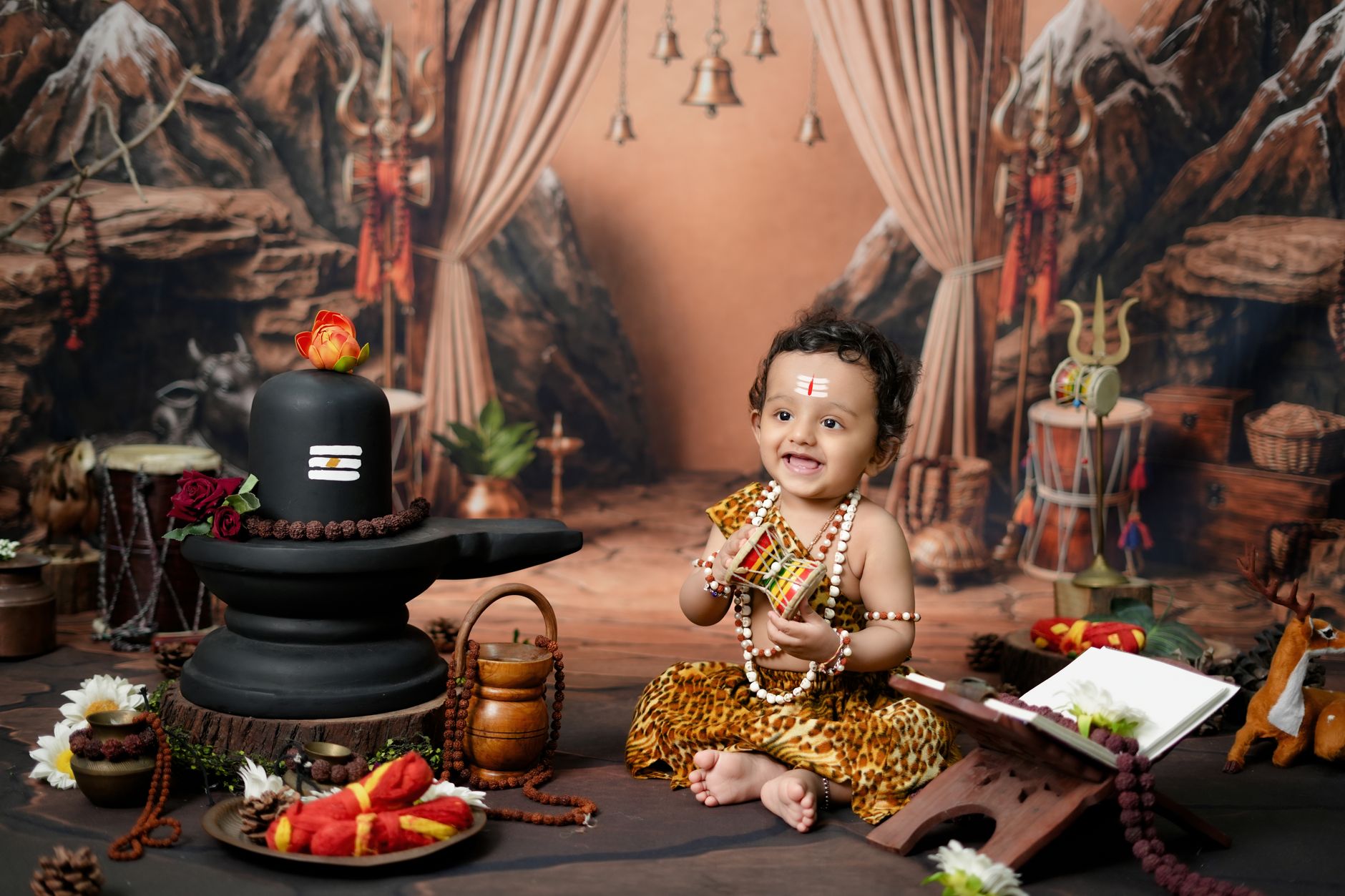
The toddler recites Sanskrit shlokas, earning the prestigious India Book of Records honor. This remarkable achievement highlights the incredible potential of young minds.
Introduction to the Achievement
A remarkable achievement has emerged from Bantwal, where a toddler has gained national recognition for his impressive ability to recite Sanskrit shlokas. This extraordinary milestone has earned him a place in the prestigious India Book of Records, highlighting not only his talent but also the importance of early education in traditional languages. The young prodigy, who is just three years old, has captivated audiences with his clear pronunciation and understanding of complex verses that are often difficult for adults to master.
His parents, who have been instrumental in nurturing his skills, believe that this accomplishment is a testament to the benefits of introducing children to cultural heritage at an early age. They emphasize the potential cognitive and linguistic advantages associated with learning ancient languages like Sanskrit.
In a nation rich in diverse languages and traditions, the toddler’s ability to recite Sanskrit shlokas serves as an inspiration for many families. It highlights the value of preserving cultural practices and encourages other parents to explore similar educational paths for their children. As this young boy continues to impress audiences with his recitations, he not only sets a benchmark for his peers but also reignites interest in the beauty of Sanskrit literature across generations.
Background on Sanskrit Shlokas
Sanskrit shlokas have long been an integral part of Indian culture, serving as spiritual and philosophical texts that convey profound wisdom. These verses, often composed in poetic form, are not only a means of worship but also a method of teaching moral values and life lessons. Traditionally, they are recited during religious ceremonies, rituals, and educational sessions, allowing practitioners to connect with ancient knowledge.
In recent years, there has been a resurgence of interest in these timeless verses, particularly among younger generations. The ability of a toddler to recite Sanskrit shlokas highlights a growing appreciation for this ancient language and its teachings. Exposure to such cultural heritage at an early age can foster a sense of identity and belonging, instilling values that are crucial in today’s fast-paced world.
Parents and educators are increasingly recognizing the importance of introducing children to these shlokas, not only for their linguistic benefits but also for their cognitive development. Research suggests that learning to recite complex texts can enhance memory and concentration skills in young minds. As the toddler recites Sanskrit shlokas, it becomes clear that such achievements pave the way for a deeper understanding of cultural roots and traditions.
Significance of Early Learning
The significance of early learning cannot be overstated, especially when it comes to cultural and linguistic heritage. When a toddler recites Sanskrit shlokas, it not only showcases remarkable cognitive abilities but also instills a sense of pride and connection to one’s roots. Early exposure to such rich traditions can enhance a child’s linguistic skills and foster a deeper understanding of ancient philosophies.
Research indicates that children who engage with complex language structures, such as those found in Sanskrit, develop better verbal skills and critical thinking. Furthermore, reciting shlokas can improve memory retention and concentration. The rhythmic and melodic nature of these verses makes them an engaging way for young minds to learn.
Participating in such cultural practices often encourages family bonding and community involvement. When families gather to hear a toddler recite Sanskrit shlokas, it creates a shared experience that strengthens familial ties and promotes cultural education.
Moreover, achievements like those of this remarkable toddler serve as an inspiration for other parents to introduce their children to traditional knowledge early on. In a rapidly changing world, nurturing these connections through early learning can lead to a brighter future for the next generation.
Details of the Record
A remarkable achievement has been documented in Bantwal, where a toddler has earned a spot in the India Book of Records for the impressive feat of reciting Sanskrit shlokas. This young prodigy, at the tender age of three, showcased an extraordinary ability to memorize and articulate complex phrases from ancient texts, captivating all who witnessed the performance.
The event took place during a community gathering, where the toddler recited a selection of shlokas with clarity and confidence. The parents were overwhelmed with pride as their child demonstrated not only linguistic prowess but also a deep understanding of the meanings behind the verses.
The record was officially recognized by representatives from the India Book of Records, who noted the significance of this accomplishment in promoting cultural heritage and language preservation among the younger generation. In their assessment, they highlighted the toddler’s ability to engage with the material and convey the essence of the shlokas with remarkable poise.
Such achievements are a testament to the importance of early learning and its lasting impact on cognitive development. As this toddler recites Sanskrit shlokas, they pave the way for a brighter future in cultural appreciation and linguistic skills, inspiring parents and educators alike.
Community Reaction
The remarkable achievement of a toddler reciting Sanskrit shlokas has sparked a wave of admiration within the local community of Bantwal. Residents are not only proud of the young child’s accomplishment but also view it as a significant milestone for cultural preservation.
Local parents expressed their enthusiasm, stating that such early exposure to traditional texts fosters a sense of identity and cultural awareness among the youth. Many believe that the toddler’s ability to memorize and recite these ancient verses at such a young age is inspirational for other children.
- A mother of two remarked, “It’s heartwarming to see our children connecting with our heritage in this way.”
- A local educator added, “This achievement highlights the importance of early learning and the benefits of introducing children to languages and literature that have shaped our culture.”
- Community leaders have suggested organizing workshops to teach more children about Sanskrit shlokas, hoping to replicate the toddler’s success.
The toddler’s accomplishment has not only earned them recognition but has also ignited a discussion about the importance of nurturing cultural roots in today’s fast-paced world. The community’s support reflects a collective hope for a future where traditions are cherished and passed down.
Expert Opinions on Child Development
Experts in child development have expressed admiration for the remarkable achievement of a toddler who recites Sanskrit shlokas, emphasizing the importance of early language exposure in cognitive growth. According to Dr. Anjali Verma, a child psychologist, “Engaging with complex languages like Sanskrit at a young age can significantly enhance a child’s memory and comprehension skills.”
Moreover, Dr. Ravi Kumar, a linguist, explains that “the rhythmic and phonetic qualities of Sanskrit shlokas can aid in developing a child’s linguistic abilities.” He notes that the toddler’s ability to recite these ancient texts not only showcases their talent but also reflects the commitment of parents to foster a rich learning environment.
In addition to cognitive benefits, early exposure to languages can help in emotional development. Dr. Neha Gupta, a developmental psychologist, states, “Children who engage with cultural texts like shlokas often develop a stronger sense of identity and belonging.” This holistic approach to child education is gaining traction among parents, who recognize that such achievements may pave the way for future opportunities.
As more families embrace the tradition of teaching Sanskrit shlokas to their toddlers, experts believe that this could lead to a resurgence in cultural appreciation and linguistic diversity.
Future Prospects for the Toddler
The future looks bright for the toddler who has captivated audiences with their ability to recite Sanskrit shlokas. This remarkable achievement not only highlights the child’s innate talent but also underscores the importance of early exposure to cultural and linguistic heritage. As parents and educators embrace the value of multilingualism, this toddler’s recognition serves as an inspiring model for others.
With the toddler now earning a place in the India Book of Records, opportunities for further development are abundant. Experts suggest that continued engagement with Sanskrit can enhance cognitive skills and foster a deeper understanding of ancient philosophies. Parents and guardians are encouraged to nurture this interest by providing resources such as books, audio recordings, and interactive classes.
In addition to academic pursuits, the toddler’s talent may open doors to participate in cultural events and competitions, paving the way for future recognition in the arts. This could lead to collaborations with educational institutions that promote traditional learning. The community’s support will play a crucial role in the toddler’s journey, as local initiatives can provide platforms to showcase their abilities.
Ultimately, the toddler reciting Sanskrit shlokas is just the beginning of an exciting path filled with potential and opportunities ahead.
Conclusion and Reflection
In a world where early learning is becoming increasingly vital, the achievement of this toddler reciting Sanskrit shlokas stands as a beacon of hope and inspiration. The remarkable ability displayed by such a young child not only highlights the potential of early education but also reinforces the importance of cultural heritage in shaping young minds.
As communities rally around this young prodigy, a sense of pride and encouragement is palpable. Parents and educators alike are beginning to realize the benefits of introducing children to languages and traditions that have stood the test of time. The toddler’s recognition by the India Book of Records serves as a testament to the possibilities that arise when dedication and talent intersect.
In reflection, this moment marks more than just an individual accomplishment; it signifies a collective acknowledgment of the profound impact that early exposure to complex subjects can have on cognitive development. As society continues to evolve, the success of this child reciting Sanskrit shlokas opens the door for further exploration into integrating traditional knowledge into contemporary education.
Ultimately, the journey of this young toddler is a reminder that nurturing talent from a young age can lead to extraordinary outcomes, inspiring future generations to embrace their cultural roots while pursuing knowledge with enthusiasm.
The remarkable moment when a toddler recites Sanskrit shlokas demonstrates the potential for early language development. As this toddler recites Sanskrit shlokas, it highlights the intersection of culture and cognitive growth in young children.
Photo by Krishna Kids Photography on Pexels


2 thoughts on “Toddler Recites Sanskrit Shlokas: A Proven Path to Recognition”