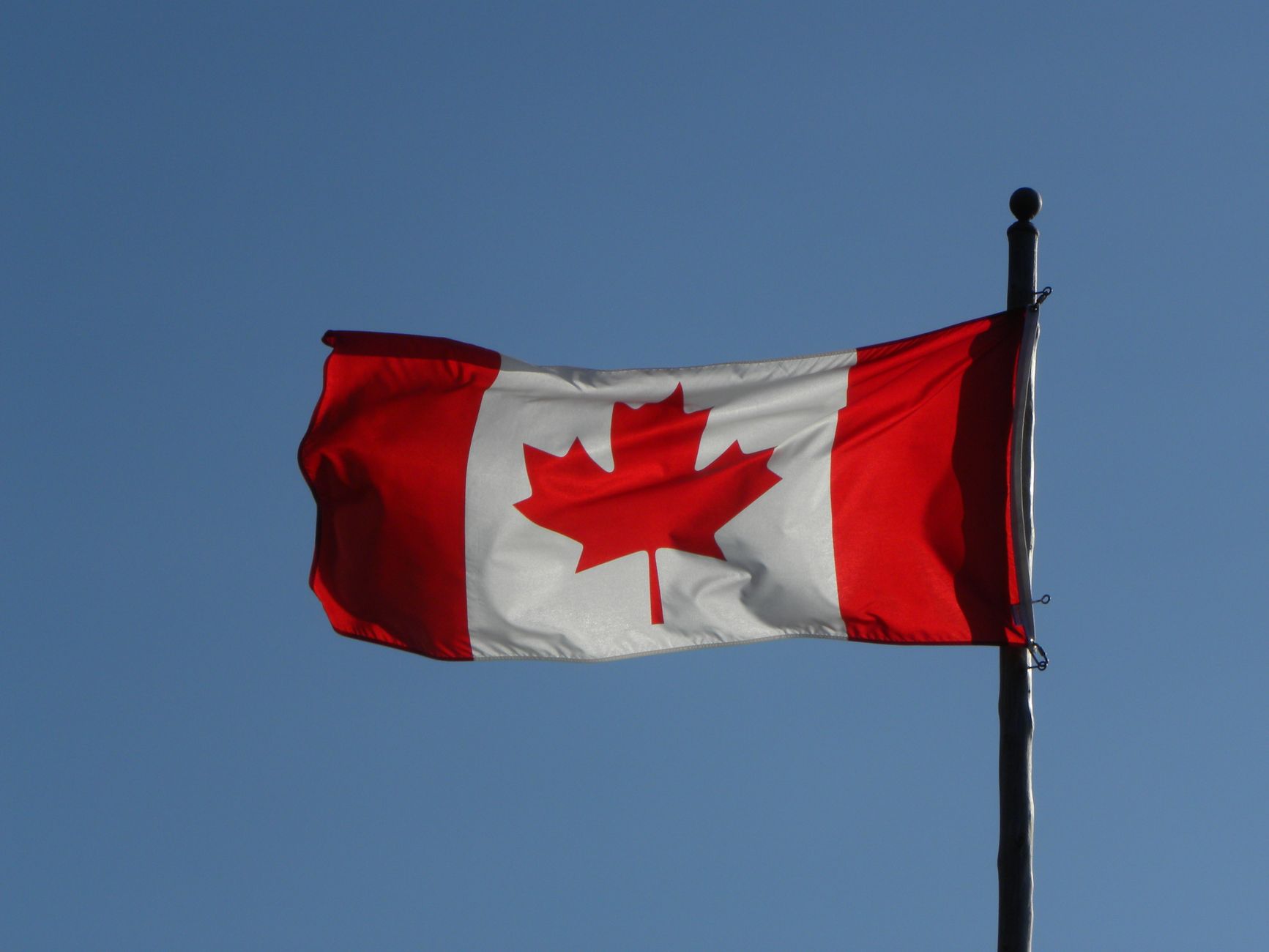
Canada 51st state discussions have intensified following Trump’s recent comments. The former president suggested that Canada could become the 51st state, sparking debate about the implications of such a statement.
Trump’s Controversial Statement
In a recent statement that has ignited discussions across North America, former President Donald Trump declared that Canada will “end up being the 51st state.” This controversial remark has raised eyebrows and sparked debates about the future of U.S.-Canada relations and national identity.
Critics argue that Trump’s assertion undermines Canada’s sovereignty and dismisses the nation’s unique cultural and political landscape. Supporters, on the other hand, see the claim as a reflection of the close ties between the two countries, which share a long border and extensive economic partnerships.
Responses to the statement have varied significantly:
- Political Leaders: Many Canadian politicians have expressed their disapproval, emphasizing that Canada is proud of its independence.
- Public Opinion: Polls indicate mixed feelings among Canadians, with some viewing the comment as a joke and others taking it seriously.
- Media Reactions: Various media outlets have engaged in lively discussions, analyzing the implications of such a claim on national identity.
As the discourse around this topic continues, the notion of Canada becoming the 51st state remains a contentious issue, prompting reflection on broader themes of nationalism and integration.
Public Reaction to Trump’s Claim
The public reaction to Donald Trump’s claim that Canada will “end up being the 51st state” has been a mixture of disbelief, humor, and concern. Many Canadians took to social media to express their thoughts, with some mocking the statement and others voicing their anxieties about the implications of such a notion.
- Humor and Satire: Numerous memes and jokes surfaced, with Canadians playfully embracing the idea of becoming the 51st state. One popular meme depicted a Canadian flag merged with the American flag, captioned “Welcome to the neighborhood!”
- Political Concerns: On the other hand, some commentators highlighted the serious implications of Trump’s assertion, emphasizing that it undermines Canada’s sovereignty and independence. Critics argue that such statements fuel nationalist sentiments and can strain diplomatic relations.
- Public Polling: A recent poll indicated that a majority of Canadians found Trump’s remark to be absurd, yet it sparked a conversation about Canadian identity and the relationship between Canada and the United States.
In essence, while many Canadians laughed off the idea of becoming the 51st state, the reaction also reflects deeper concerns about national identity in a rapidly changing geopolitical landscape.
Historical Context of Statehood
The idea of Canada becoming the 51st state has historical roots that stretch back to the early days of both nations. In the 19th century, there were discussions about the possibility of annexation, particularly during the periods of Manifest Destiny in the United States. Many Americans believed it was their divine right to expand across North America, which led to interest in Canadian territories.
Throughout history, various political movements have emerged in Canada, some expressing a desire for closer ties with the United States. This included the Confederation debates in the 1860s, where the notion of joining the U.S. was considered as a viable option. However, these discussions ultimately led to the establishment of Canada as a self-governing dominion within the British Empire.
In modern times, the relationship between Canada and the U.S. has evolved, characterized by strong trade ties and cultural exchange. While Trump’s claim that Canada will “end up being the 51st state” may spark controversy, it also reflects a long-standing dialogue about the nature of sovereignty and partnership in North America. Today, the concept remains largely theoretical, with Canadians expressing pride in their national identity and autonomy.
Implications for US-Canada Relations
The implications of Trump’s claim that Canada will become the 51st state extend beyond mere rhetoric. This assertion has sparked significant discussions regarding the future of US-Canada relations, which have historically been characterized by strong economic and cultural ties.
Firstly, trade agreements between the two nations could face scrutiny. With the United States-Mexico-Canada Agreement (USMCA) already in place, questions arise about how a shift in Canada’s status might affect tariffs, border policies, and regulatory frameworks.
Secondly, political dynamics could shift dramatically. If Canada were to consider integration with the United States, it would need to navigate complex political landscapes, both domestically and internationally. This may lead to tensions as Canadian citizens respond to the possibility of losing their national identity.
Moreover, public sentiment in Canada varies. Some view closer ties with the U.S. favorably, while others express concern about sovereignty and cultural preservation. This divergence could further complicate diplomatic relations as both nations assess the potential consequences of such a significant change.
In conclusion, the notion of Canada as the 51st state raises critical questions about future collaborations and challenges in US-Canada relations.
Expert Opinions on the Matter
Experts have weighed in on President Trump’s assertion that Canada could become the 51st state, with a mixture of skepticism and concern. Many political analysts argue that such a claim is more rhetoric than reality. Dr. Emily Harper, a political scientist at the University of Toronto, suggests that “the notion of Canada as the 51st state reflects a misunderstanding of both nations’ identities and values.”
Moreover, Professor John Thompson of the University of Calgary points out that “Canada’s sovereignty and national pride are deeply rooted in its history.” He believes that the idea of statehood undermines the unique relationship Canada shares with the United States, which is built on mutual respect and cooperation.
In addition, Dr. Sarah Mitchell, an expert in international relations, emphasizes that “the implications of such a claim could strain US-Canada relations, even if only in the short term.” The assertion may provoke strong reactions from Canadian leaders and citizens alike, who take pride in their independence.
Overall, while the concept of Canada as the 51st state captures attention, experts agree that it remains an unrealistic scenario that does not reflect the complexities of North American politics.
What This Means for Canadians
The notion of Canada becoming the 51st state has ignited discussions across various sectors in Canada. While the idea may seem far-fetched to many, it raises significant questions about national identity and sovereignty.
For Canadians, this claim can result in a myriad of implications, including:
- National Identity: The idea of statehood challenges Canadians to reflect on what it means to be Canadian in a global context.
- Political Landscape: Politicians may use this moment to rally support for strengthening national policies and resisting external pressures.
- Economic Concerns: Many fear that aligning too closely with U.S. governance could undermine Canada’s unique economic strategies.
- Cultural Impact: Discussions surrounding the integration of Canadian culture into a larger American framework could spark debates about cultural preservation.
Moreover, while some Canadians might find humor in the idea of Canada as the 51st state, others express serious concern that such comments could unintentionally influence political agendas and public perception. As the conversation unfolds, it will be essential for Canadians to articulate their values and priorities in the face of external claims.
The idea of Canada 51st state has sparked intense debate among political analysts and citizens alike. Many wonder what the implications would be for both nations should Canada 51st state become a reality.
Photo by Doug R. W. Dunigan on Pexels

2 thoughts on “Canada 51st State: The Real Impact of Trump’s Claim”